Norvasc (Generic Amlodipine): Complete Medication Guide
Key Takeaways
Generic amlodipine is a calcium channel blocker that lowers blood pressure and improves blood flow to the heart.
Common side effects include swelling in the ankles and feet, flushing, and headaches.
It's taken once daily by mouth, typically at the same time each day, with or without food.
Generic vs Brand Name Drugs have the same active ingredient and work the same way in your body.
Always discuss your blood pressure medications with your healthcare provider before making any changes.
Norvasc (Generic Amlodipine) Overview
Norvasc is the brand name for amlodipine, a medication that belongs to a class of drugs called calcium channel blockers. This medication works by relaxing the muscles in your blood vessels, allowing blood to flow more easily and smoothly through your arteries. When your blood vessels relax, your heart doesn't have to work as hard to pump blood, which lowers your blood pressure and reduces the workload on your heart.
Generic amlodipine contains the exact same active ingredient as the brand-name Norvasc. Generic vs Brand-Name Drugs are just as effective and safe as their brand-name versions. The main difference is the cost—generic versions are significantly cheaper, making them an affordable option for people who need to manage high blood pressure long-term.
This medication is used to treat high blood pressure (hypertension) and a condition called angina, which is chest pain caused by reduced blood flow to the heart. Many people take amlodipine as part of their daily routine to keep their blood pressure under control and reduce their risk of heart attack and stroke. Amlodipine Pills come in different strengths, and your doctor will determine the right dose for you based on your individual needs.
Side Effects
Most people tolerate amlodipine well, but like all medications, it can cause side effects. Understanding what to expect may help you manage your treatment more comfortably.
Common Side Effects
Swelling in ankles and feet — A buildup of fluid in your lower legs is common but usually not serious. Elevating your legs or reducing salt intake may help.
Flushing — A sudden feeling of warmth and redness in your face and neck may occur, especially when you first start the medication.
Headaches — Mild to moderate headaches may happen, particularly in the first few weeks of treatment.
Dizziness or lightheadedness — You may feel slightly off-balance, especially when standing up quickly.
Fatigue — Some people feel more tired than usual, though this often improves over time.
Nausea — Mild stomach upset is possible but usually goes away as your body adjusts.
Serious Side Effects
Severe allergic reaction — Signs include difficulty breathing, swelling of the face or throat, and severe rash. Seek immediate medical attention if this occurs.
Rapid or irregular heartbeat — Unusual changes in your heart rhythm require urgent evaluation by a doctor.
Severe dizziness or fainting — If you lose consciousness or feel extremely dizzy, contact your healthcare provider right away.
Chest pain or pressure — New or worsening chest pain should be reported to your doctor immediately.
Gum swelling or bleeding — Some people develop swollen or tender gums that bleed easily; notify your dentist and doctor.
When to Seek Medical Attention
Most side effects from amlodipine are mild and go away on their own. However, contact your healthcare provider if side effects persist, worsen, or interfere with your daily life. Common side effects like swelling or flushing usually don't require stopping the medication—your doctor may adjust your dose or recommend simple lifestyle changes.
Seek immediate medical attention if you experience chest pain, severe shortness of breath, fainting, rapid heartbeat, or signs of an allergic reaction. If you suspect an overdose, call poison control or go to the nearest emergency room. Never stop taking amlodipine without talking to your doctor first, as suddenly stopping can cause your blood pressure to spike dangerously.
Dosage
Dose Level |
Strength |
Typical Starting Dose |
Maximum Dose |
Low |
2.5 mg |
2.5 mg once daily |
10 mg once daily |
Standard |
5 mg |
5 mg once daily |
10 mg once daily |
High |
10 mg |
May start at 5 mg if sensitive |
10 mg once daily |
Important: If you miss a dose, take it as soon as you remember—unless it's almost time for your next dose. In that case, skip the missed dose and take your next dose at the regular time. Never take a double dose to make up for a missed one. Do not stop taking amlodipine without talking to your doctor, even if you feel better. Suddenly stopping can raise your blood pressure to dangerous levels and increase your risk of heart problems.
Drug Interactions
Amlodipine can interact with other medications and substances. These interactions may change how the medication works or increase the risk of side effects. Always tell your doctor and pharmacist about all the medications, supplements, and herbal products you take.
Beta-Blockers and Other Blood Pressure Medications
Taking amlodipine with other blood pressure-lowering drugs may cause your blood pressure to drop too low. Your doctor may need to adjust doses or monitor your blood pressure more closely during treatment.
CYP3A4 Inhibitors (like Ketoconazole and Ritonavir)
These medications slow down how your body breaks down amlodipine, which can increase amlodipine levels in your blood. This may increase side effects like swelling and dizziness. Your doctor may lower your amlodipine dose.
Certain Heart Medications (Digoxin)
Amlodipine may increase blood levels of digoxin, a heart medication. Your doctor will monitor you closely and may adjust your digoxin dose to prevent toxicity and irregular heartbeat.
Grapefruit Juice
Drinking grapefruit juice while taking amlodipine can dangerously increase the drug's levels in your body, raising the risk of side effects. Avoid grapefruit juice entirely or talk to your doctor about safe alternatives.
NSAIDs (like Ibuprofen and Naproxen)
Long-term use of NSAIDs may reduce amlodipine's blood pressure-lowering effects and increase your risk of kidney problems. Use NSAIDs sparingly and only under medical guidance.
Tacrolimus and Immunosuppressants
These medications may interact with amlodipine, potentially affecting kidney function. Your doctor will monitor your kidney health with blood tests if you take both drugs together.
Continue Learning
Related articles you might find helpful


Pros and Cons
Pros
Highly effective at lowering blood pressure and reducing heart workload
Once-daily dosing makes it easy to remember and take consistently
Generic medications provide a cost-effective alternative to brand-name drugs, saving you money over time
Works well in combination with other blood pressure medications
Long history of safe use with a well-understood side effect profile
Cons
May cause bothersome swelling in the ankles and feet that doesn't go away
Can cause flushing and facial redness, especially in the beginning
Grapefruit juice must be avoided, which limits some dietary choices
May interact with several other common medications
Some people experience persistent headaches or fatigue that affects daily life
Frequently Asked Questions
Get answers to common questions about Norvasc and generic amlodipine.
Yes, generic amlodipine and Norvasc contain the same active ingredient and work identically in your body. Save Money on Generic Drugs for High blood pressure allows you to get the same medication at a fraction of the cost. The FDA requires generic drugs to be just as effective and safe as brand-name versions.
You may start to feel the effects within a few days, but it usually takes 1–2 weeks for amlodipine to lower your blood pressure to its full potential. Some people need 3–4 weeks to see the best results. Be patient and keep taking your medication as prescribed, even if you don't notice immediate changes.
Light alcohol use is generally safe with amlodipine, but alcohol may increase the blood pressure-lowering effects and cause dizziness, lightheadedness, or fainting. Limit alcohol consumption and talk to your doctor about what's safe for you personally. Avoid excessive drinking while on this medication.
If you take more than your prescribed dose, contact poison control immediately at 1-800-222-1222 or go to the nearest emergency room. Overdose symptoms may include severe dizziness, fainting, rapid heartbeat, or chest pain. Do not wait to see if symptoms develop—seek help right away.
Amlodipine itself doesn't directly cause weight gain, but the swelling it causes in your ankles and feet may feel like weight gain. If you notice actual weight gain, talk to your doctor to rule out other causes. Maintaining a healthy diet and exercise routine will help you stay at a healthy weight while taking this medication.
The Bottom Line
Generic amlodipine (Norvasc) is a safe, effective medication that helps lower blood pressure and reduce strain on your heart. It's easy to take—just one pill daily—and it costs much less than the brand-name version, making it an affordable option for long-term blood pressure control. Most side effects are mild and manageable, though some people experience bothersome swelling in the feet and ankles. Understanding how the medication works, what side effects to expect, and how to take it correctly will help you get the best results. This information is educational and does not replace advice from your healthcare provider.
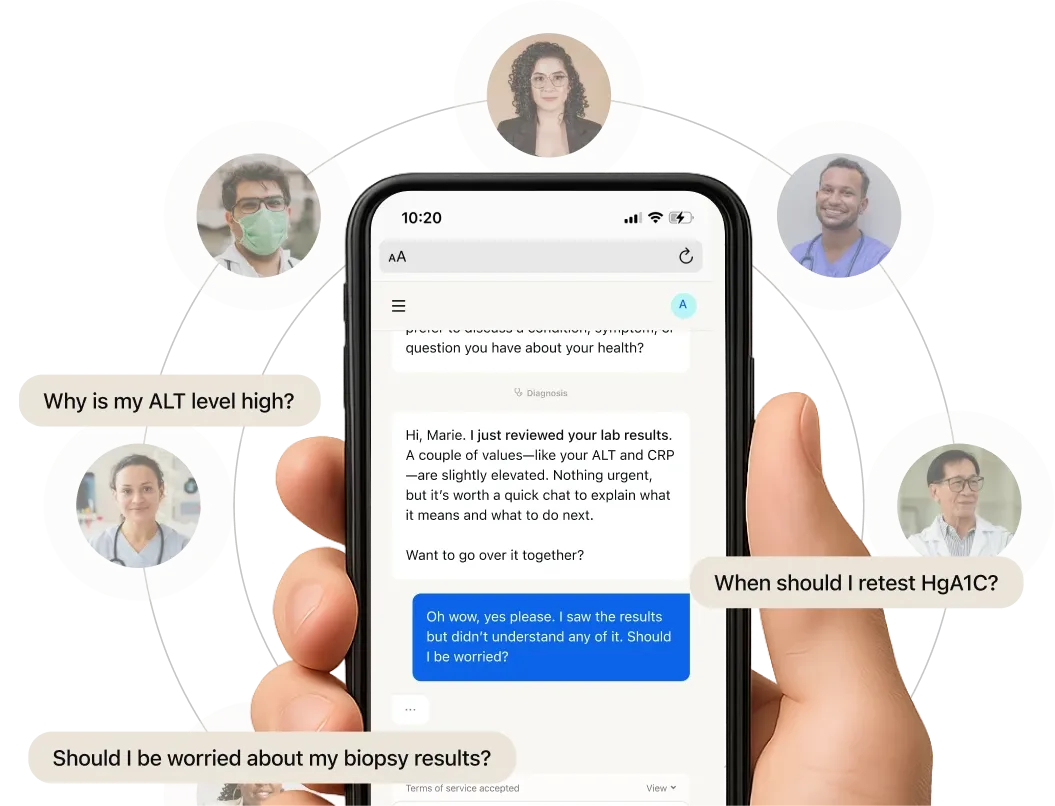
If you're struggling with high blood pressure or need help managing your medications, Doctronic can help. As the first AI legally authorized to practice medicine, we've completed over 22 million consultations with a 99.2% treatment alignment rate with physicians. Get free AI consultations, or connect with a healthcare provider through our $39 video visits or $19 text consultations—available 24/7 with a typical 4-minute wait. Ready to take control of your health? Get started with Doctronic today.