

Menopause Mood Swings
Menopause brings profound hormonal shifts extending far beyond hot flashes and irregular periods. As estrogen and progesterone levels decline, many women experience [...]
Read MoreICD-10 codes for lower back pain fall primarily under the M54 category, with specific codes for unspecified pain, sciatica, and radiculopathy
Proper laterality and specificity prevent claim denials and ensure accurate reimbursement
The 7th character extension is required for traumatic injury codes to indicate the episode of care
Linking ICD-10 codes to documented medical necessity is critical for successful billing
Low back pain affects a staggering number of people worldwide. Hundreds of millions of people are affected by low back pain globally, making it the most prevalent musculoskeletal condition on the planet. This large patient population means healthcare providers encounter lumbar diagnoses daily, and accurate ICD-10 coding is essential for accurate treatment documentation and reimbursement.
Getting lower back pain ICD-10 codes right matters for patients, providers, and payers alike. Incorrect coding leads to claim denials, delayed payments, and incomplete medical records. Doctronic.ai helps patients understand their diagnoses before they even reach a billing specialist, creating better-informed healthcare consumers.
The M54 category includes dorsalgia, the medical term for back pain. This category includes codes ranging from M54.0 through M54.9, each specifying a different type or location of spinal pain. M54.50 specifically addresses low back pain (unspecified), while M54.51 and M54.59 address vertebrogenic and other specified low back pain, respectively, while M54.3 and M54.4 cover sciatica-related conditions.
Each code requires additional digits to indicate laterality, chronicity, or other clinical details. The structure follows a logical progression from general to specific, allowing coders to pinpoint exactly what the documentation supports.
Vague documentation produces vague code, and vague code gets denied. As one coding expert noted, coding low back pain presents challenges because selecting the most appropriate diagnosis code requires substantial clinical information.
Providers must document the exact location, whether symptoms radiate, the duration of symptoms, and any underlying structural causes. Without these details, coders default to unspecified codes that may not support the level of service billed.
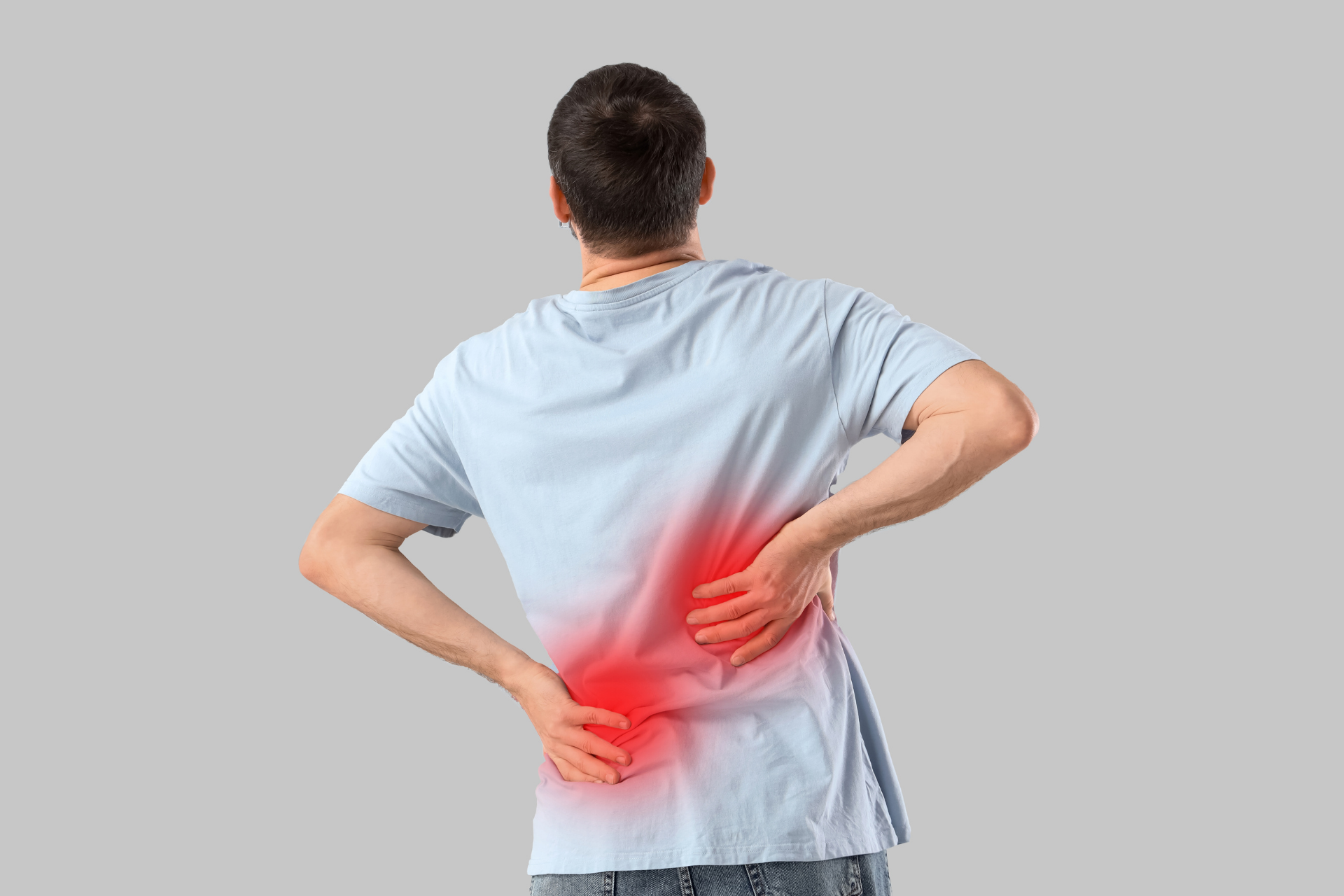 Commonly Used Codes for Non-Specific Lower Back Pain
When patients present with lumbar pain that lacks a clear structural or neurological cause, coders turn to the non-specific pain codes. These codes capture the symptom without attributing it to a particular disease process.
M54.50 serves as the catch-all code when documentation simply states "low back pain" without further detail. This code is appropriate when the provider has not identified a specific cause or when the pain is mechanical in nature without radiculopathy.
Using M54.50 is acceptable for initial visits when a full workup has not yet been completed. Continued use of this code across multiple visits, though, may raise questions about the thoroughness of the clinical evaluation.
The ICD-10 system does not provide separate codes for acute versus chronic low back pain within the M54.5 category. Coders must rely on the clinical documentation to determine chronicity and may need to append additional codes when chronic pain management is the focus of treatment.
Chronic pain codes from the G89 category can be used alongside M54.5 codes to indicate ongoing pain syndromes. This combination provides a more complete picture of the patient's condition and supports the medical necessity of extended treatment plans.
When lower back pain involves nerve root compression or irritation, the coding becomes more specific. These conditions require documentation of the affected nerve root and whether symptoms radiate into the lower extremities.
M54.3 codes capture sciatica without an associated intervertebral disc disorder. The fifth digit indicates laterality: M54.30 for unspecified side, M54.31 for right side, and M54.32 for left side. Bilateral sciatica requires coding both sides separately.
Proper laterality documentation is non-negotiable. Payers reject claims when the documentation says "left-sided sciatica," but the code submitted indicates right-sided involvement.
M54.4 codes capture cases in which low back pain and sciatica co-occur. Like M54.3, these codes require laterality specification. M54.40 indicates unspecified side, M54.41 indicates right side, and M54.42 indicates left side.
This code combination is appropriate when the provider documents both lumbar pain and radiating symptoms into the leg along the sciatic nerve distribution. Doctronic.ai can help patients determine whether their symptoms align with this pattern before their clinical visit.
Many patients with chronic lower back pain have underlying structural abnormalities visible on imaging. These conditions have their own code categories separate from the M54 dorsalgia codes.
The M51 category covers intervertebral disc disorders in the thoracic and lumbar regions. M51.36 specifies intervertebral disc degeneration at the lumbosacral level, while M51.37 indicates degeneration at the lumbar level.
When disc disorders cause radiculopathy, coders use M51.1 codes with the appropriate level indicator. These codes take precedence over M54.3 sciatica codes when the disc pathology is documented as the cause.
Lumbar spinal stenosis falls under M48.061, which specifically indicates stenosis at the lumbar level. This code requires imaging confirmation and documentation of the narrowed spinal canal.
Stenosis codes are often used alongside radiculopathy codes when nerve compression results from the narrowing. The combination demonstrates the relationship between the structural problem and the resulting symptoms.
Spondylosis codes fall under M47, with M47.816 covering spondylosis without myelopathy at the lumbar region. Spondylolisthesis uses M43.1 codes, with M43.16 indicating the lumbar level.
These degenerative conditions require imaging documentation. Clinical suspicion alone does not support these codes: radiological confirmation is essential.
Acute injuries to the lower back follow different coding rules than chronic conditions. Traumatic injuries use S-codes and require additional characters to indicate the episode of care.
S39.012A indicates a strain of the muscle, fascia, and tendon of the lower back on the initial encounter. This code captures muscle and tendon injuries without fracture or dislocation. The mechanism of injury should be documented to support this code selection.
Strains are among the most common acute lower back diagnoses in urgent care and emergency settings. Proper documentation includes the activity during which the injury occurred and the specific location of pain.
All S-codes require a 7th character extension. "A" indicates initial encounter, "D" indicates subsequent encounter, and "S" indicates sequela. Omitting this character results in automatic claim rejection.
The 7th character must match the visit type. Using "A" for a follow-up visit is incorrect and will cause processing delays or denials.
Accurate coding directly impacts revenue cycle performance. CMS reported that inappropriate payments for musculoskeletal claims are primarily due to ambiguous documentation or incorrect categorization.
Patients expect codes to match the documented site of pain or pathology exactly. A claim for lumbar stenosis treatment will be denied if the code indicates thoracic stenosis. Double-checking laterality and spinal level before claim submission prevents these errors.
Every procedure code must link to a diagnosis code that establishes medical necessity. An MRI of the lumbar spine requires a diagnosis that justifies imaging, such as radiculopathy or suspected disc herniation. Using only M54.50 may not support advanced imaging orders.
M54.50 is the most frequently used code for non-specific low back pain. It applies when documentation does not specify a structural cause or nerve involvement.
Yes, M54.5 codes do not distinguish between acute and chronic presentations. Coders may add G89 chronic pain codes when documentation supports ongoing pain management.
S-codes apply to traumatic injuries with a specific onset event. M-codes cover diseases, degenerative conditions, and pain without traumatic origin.
Most denials result from missing laterality, incorrect spinal level, omitted 7th character extensions, or codes that do not support the billed service's medical necessity.
Understanding lower back pain ICD-10 codes explained in clinical terms helps providers, coders, and patients navigate the billing process effectively. Accurate coding requires specific documentation of location, laterality, and underlying pathology to prevent denials and ensure proper reimbursement.
For patients seeking to understand their diagnoses before or after clinical visits, Doctronic.ai offers free AI doctor visits that can explain conditions in plain language. With 24/7 telehealth access and visits, Doctronic provides an accessible entry point for anyone with questions about their back pain diagnosis.
Menopause brings profound hormonal shifts extending far beyond hot flashes and irregular periods. As estrogen and progesterone levels decline, many women experience [...]
Read MoreLower back pain affects millions of people daily, whether from sitting too long at a desk, lifting heavy objects, or dealing with chronic conditions. While what causes lower [...]
Read MoreThe liver stands as one of your body's most hardworking organs, performing over 500 vital functions from detoxification to protein production. Yet liver disease often [...]
Read More